The whole point of solar power is to provide an efficient and effective source of energy which doesn’t hurt the environment. And they certainly do. But what about when they’re old, broken, and need to be replaced? Do they get chucked in landfill like everything else?
The core components of solar batteries, such as lead-acid and lithium-ion batteries, can be recycled. The process involves extracting valuable materials like lead, lithium, and cobalt, which can then be reused in the production of new batteries or other products.
Many manufacturers and recycling facilities now offer programs for collecting and recycling solar batteries. These programs ensure that batteries are handled and processed responsibly.
Can solar batteries be recycled in the UK?
Yes, solar batteries can be recycled in the UK, but not through normal household recycling. They must go through approved battery recycling services and specialist facilities. UK waste regulations treat solar batteries as hazardous waste due to their chemical content and fire risk. This means they need controlled disposal and processing. In practical terms, this usually means going through an approved recycler, manufacturer take-back scheme, or installer recycling service. They should never go into general waste, skips, or standard recycling bins, even if they are no longer working.
Where, how and why solar batteries are recycled
Most solar batteries are recycled through specialist recycling companies rather than local council sites.
PV Recycling are an example of a specialist solar battery recycling company. According to their website, they recycle Tesla Powerwall, Panasonic Evervolt, LG Chem Resu, Franklin Home Power, Generac PWRcell, and Sunpower Sunvault solar batteries.
Some manufacturers run take-back schemes where old batteries can be returned for proper processing. Many professional installers also arrange recycling as part of battery replacement work. In some areas, licensed recycling centres can accept large lithium-ion or lead-acid batteries, but this normally requires pre-arranged handling and transport. The key point is that recycling solar batteries is a managed process, not something done through standard household recycling routes.
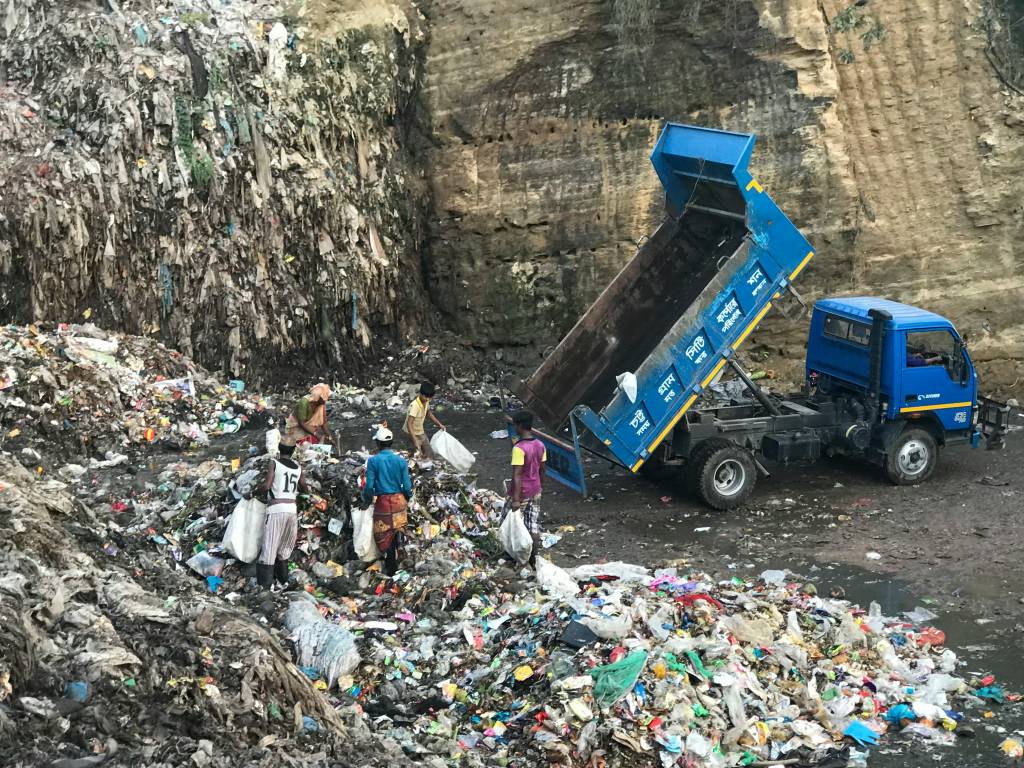
Improper disposal of solar batteries creates serious safety and environmental risks. Damaged lithium-ion batteries can cause fires, chemical leaks, and toxic exposure. Lead-acid batteries can contaminate soil and water if they break down in landfill. Recycling prevents these risks and supports safer waste management. It also supports material recovery, which reduces the environmental cost of mining and processing new raw materials. For homeowners who chose solar for environmental reasons, proper battery recycling is a direct extension of that same mindset.
Once a solar battery reaches a recycling facility, it is dismantled and separated into different material types. Casings, wiring, electronic components, and internal cells are broken down and sorted. Valuable materials such as lithium, cobalt, nickel, copper, and lead are extracted and processed for reuse. These materials can then be used in the production of new batteries or other industrial products. This process reduces the need for new raw material mining and lowers the environmental impact of battery manufacturing over time.
What makes lithium-ion batteries and lead batteries bad for the environment?
If dumped in landfill, lithium-ion and lead-acid batteries pose serious environmental and safety hazards because of their chemical composition. Lithium-ion batteries contain flammable electrolytes that can ignite if the battery casing is damaged, crushed, or exposed to heat, leading to fires that are difficult to control. You may have heard of EV fires being hard to put out — lithium-ion batteries are the reason why.
Lead-acid batteries contain sulphuric acid, which is highly corrosive and can leach into soil and groundwater, poisoning ecosystems and making water unsafe for human and animal use. Both types of batteries also contain heavy metals like lithium, cobalt, nickel, and lead that are toxic to plants, animals, and humans.
Reuse and second-life options
In some cases, solar batteries may still have usable capacity even when they are no longer suitable for home energy storage. These batteries can sometimes be repurposed for lower-demand uses, such as backup systems or energy storage projects. While this is not suitable for all batteries, it can extend their useful life before recycling becomes necessary. This approach supports a more circular energy system, where products are reused before being broken down.
What you should do with old solar batteries
When an off-grid solar battery needs replacing, the safest route is to contact the original installer, manufacturer, or a certified battery specialist. They can arrange proper collection, transport, and recycling. Homeowners should never attempt to dismantle, store, or dispose of solar batteries themselves. Even non-functioning batteries can still hold charge and pose serious safety risks. Professional handling is essential for both safety and legal compliance.