Solar panels are a way for UK homeowners to generate electricity from sunlight. They turn natural sunlight into usable energy for your home, helping reduce electricity bills and your carbon footprint. This guide explains, in simple terms, how solar panels work, what parts make up a system, and what affects how much power you can actually get from them.
The Photovoltaic Effect
The core of solar panel electricity generation is the photovoltaic effect. When sunlight hits the solar cells, photons in the light knock electrons loose from their atoms. This movement of electrons creates a flow of direct current (DC) electricity. It’s this basic reaction in the cells that allows sunlight to be converted into usable electrical energy.
From DC to Usable Power
Homes in the UK use alternating current (AC) electricity, not the direct current that solar panels generate. An inverter converts the DC electricity from your panels into AC, making it safe and usable for household appliances. Modern inverters also optimise the electricity flow and can monitor performance, ensuring that your home gets as much power as possible from your solar system.
Components of a Solar PV System
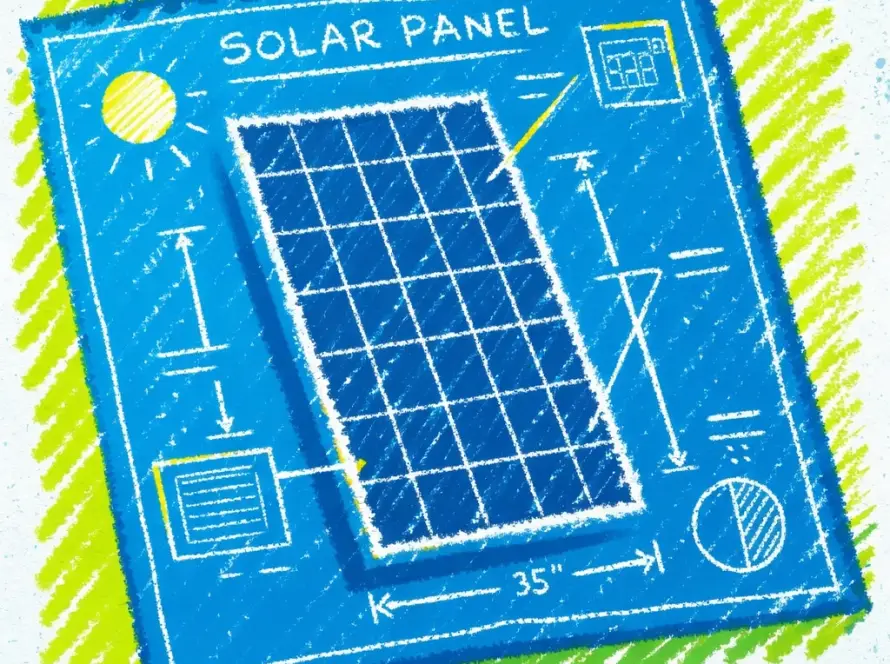
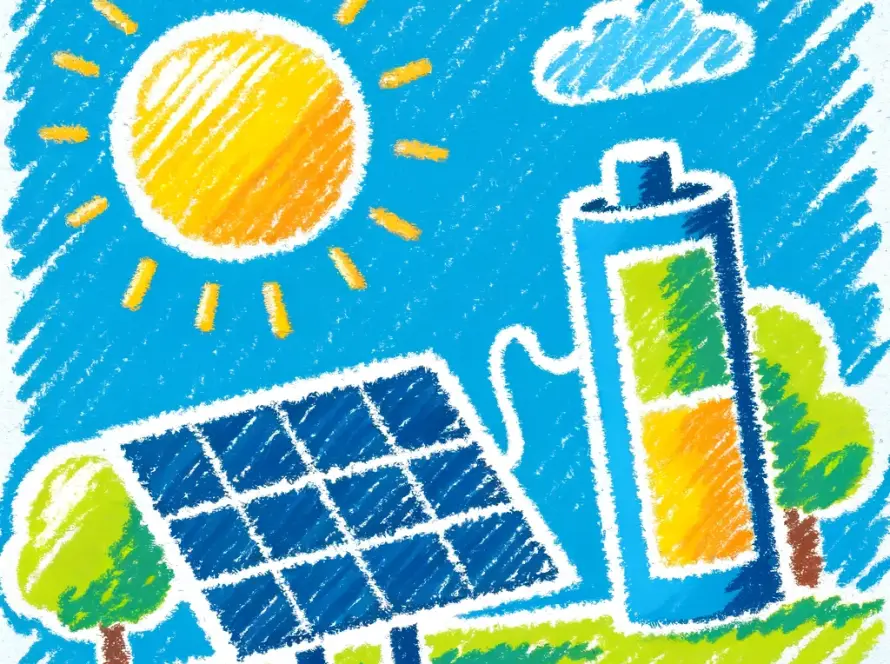
A typical solar PV system includes the panels themselves, an inverter, a mounting system, wiring, and a meter. Many UK households also add battery storage, which allows them to store electricity for use later. Each component plays a role: the panels capture sunlight, the inverter converts it to usable electricity, the wiring distributes it, and the battery stores any surplus. This combination makes the system flexible and reliable.
What Happens to the Electricity You Don’t Use
If your panels generate more electricity than your household uses at a given moment, the excess can either be exported to the national grid or stored in a battery. In the UK, homeowners may benefit from schemes like the Smart Export Guarantee (SEG), which pays for electricity sent back to the grid. Battery storage provides flexibility, letting you use stored electricity during the evening or at times of high demand.